Showing posts with label Lousy. Show all posts

Wednesday, February 26, 2014

Why Do Movie Theaters Sell Such Lousy Corporate Garbage Food?


There"s no real reason for corn syrup, food starch, malic acid and artificial colors to dominate the menu.


America has a love/hate relationship with movie theater snacks. We share a universal opinion that the offerings are too expensive and unhealthy. But while theater policies forbid moviegoers from bringing their own food, we seem happy enough to be a captive audience and line up for the nostalgic charms of greasy popcorn, Dots and watery soda.


Snacks are a cash cow for theaters, providing some 85 percent in net profits. But no one really goes after the food Americans eat in movie theaters, which is mostly bits of corn syrup, food starch, malic acid, and artificial colors, encapsulated in a sugary ether. Such snacks seem like an integral part of going to the movies, a trip that usually falls somewhere between an absolute good and a mindless indulgence. Pauline Kael once described this simultaneously trashy and transcendent experience as, “eating a candy bar and cleaning an ‘allegorical problem of human faith’ out of your teeth.”


But before you plunk down $ 7 for a medium-sized bag of popcorn at the movie theater, consider its cost to your health. A 2009 study conducted by the Center for Science in the Public Interest analyzed samples from the country"s three largest movie theater chains — Regal Entertainment, AMC Theatre Groups, and Cinemark. It turns out that there are 1,200 calories in just one medium-sized bag of Regal’s popcorn. Even a small popcorn from Regal contains the same number of calories as Personal Pan Pepperoni Pizza from Pizza Hut — and three times the saturated fat.


Jayne Hurley, a senior nutritionist at CSPI, is quoted in the report as saying, “Regal and AMC are our nominees for Best Supporting Actor in the Obesity Epidemic.”


This popcorn problem probably has something to do with the fact that people eat more movie theater food when it is served in larger packaging. Scientists have found that this phenomenon is particularly true even when the customer does not like the taste of the food he or she is eating. It’s precisely this logic that movie theaters profit off of, and which former mayor Michael Bloomberg attempted to counteract with his plan to ban soft drinks of 16 ounces or more in New York City.


One organization that spoke out against Bloomberg’s soda ban was the National Association of Concessionaires, an industry trade association whose members include racetracks, universities, convention centers, and of course, movie theaters. The country’s biggest theater chains are members and so are corporations that keep their concessions well-stocked, such as Coca Cola, PepsiCo, Hershey, Nestle, and Weaver.


Dan Borschke, executive vice-president of NAC, says that “the vast number of movie theaters are now corporate-owned in very large capacities. There are still mom-and-pop operations, but they’re fewer and far between.”


Borschke also spoke of the new trend in movie theater cuisine, the Cinébistro. Cobb Theaters, a chain operating out of Birmingham, Ala., with locations across the southeast, cooked up the franchise, but many more circuits have followed suit, including AMC’s Dine-In Theatres and Cinemark’s Bistros.


“What’s amazing is they literally have a full-fledged kitchen,” Borschke said. “In many ways it’s a restaurant with an entertainment charge.” When asked if these restaurants have healthy options, Boschke said there were some, but admitted that the restaurants are still relatively rare and most moviegoers aren’t looking to spend that kind of money on food anyway. What they do offer is a very particular service to a very slim sliver of movie theater clientèle.


“Theaters are looking to fill many different niches,” Borschke said.


So why is it that movie theaters continue to sell unhealthy food? Very simply, because we"re creatures of habit, and we continue to associate artery-clogging snacks with the moviegoing experience, much in the same way that we expect cake and ice cream at birthday parties. “Theaters will only sell you what sells,” Borschke observed.


Our demand for cheaply produced food is a money-maker for theaters. According to Regal’s recent fourth-quarter report, the multiplex raked in about 26 percent of its total revenue from concessions. This may not seem all that high, but consider that Regal spent $ 265 million in operating expenses for film rentals and advertising costs, but only $ 25 million on concessions, and those profit margins start looking puffier than a fistful of popcorn. The numbers for Cinemax and AMC’s most recent earnings look similar.


And NAC wants to keep it that way. The organization keeps tabs on legislative and regulatory issues that can impact the bottom lines of its members through its Government Relations Committee, which includes executives from three top movie chains and one from a major stadium concessionaire. Boschke also sits on the committee.


Movie theaters are also exempt from the 2011 FDA rule requiring chain restaurants with over 20 locations to post calorie counts on their food and drink menus (the ruling does not apply to alcoholic beverages). Margo G. Wooten, the director of nutrition policy at CSPI, told the New York Times at the time of the decision that exempting movie theaters from the ruling was a mistake. “It doesn’t matter whether you happen to be watching a movie while you’re eating,” she said. “Those calories still count.”


Some argue that theme parks and sporting events sell food that is just as unhealthful, but movie theaters are by far the bigger offenders to public health. Nearly three times as many people in the U.S. and Canada go to the movies than to theme parks and sports games combined, according to the Motion Picture Association of America. The same study found that most moviegoers are “frequent,” meaning they go more than once a month, and that in 2012 the number of frequent visitors rose in every single age demographic.


In the end, the price the nation pays for unhealthy movie theater food is just a drop in the bucket compared to what fast food corporations have wrought on Americans’ physical well-being. But even McDonalds offers apple slices and salads. Why should movie theater corporations and the stratospherically wealthy vendors they partner with choose to withhold healthier options? And why shouldn’t they have to comply with the few food and beverage regulations that lightly constrain fast-food chains? A simple calorie count would help customers make a more informed decision about what they do and don’t eat.


If the government won’t regulate, and the theaters won’t branch out, customers can use their purchasing power to manage the junk food mania. “On the concession side the number-one seller is always popcorn and soft drinks; they have been for decades,” said Borschke.


It’s completely within our power to change this. Until we do, Americans will continue purchasing four ounces of Junior Mints and cardboard packaging for totally absurd prices just because they will be eaten in a dark room full of enthralled strangers.


Related Stories


AlterNet.org Main RSS Feed


Why Do Movie Theaters Sell Such Lousy Corporate Garbage Food?

Why Do Movie Theaters Sell Such Lousy Corporate Garbage Food?

At A Political Statement, the privacy of our visitors is of extreme importance to us (See this article to learn more about Privacy Policies.). This privacy policy document outlines the types of personal information is received and collected by A Political Statement and how it is used.

Log Files

Like many other Web sites, A Political Statement makes use of log files. The information inside the log files includes internet protocol (IP) addresses, type of browser, Internet Service Provider (ISP), date/time stamp, referring/exit pages, and number of clicks to analyze trends, administer the site, track user"s movement around the site, and gather demographic information. IP addresses, and other such information are not linked to any information that is personally identifiable.

Cookies and Web Beacons

A Political Statement does use cookies to store information about visitors preferences, record user-specific information on which pages the user access or visit, customize Web page content based on visitors browser type or other information that the visitor sends via their browser.

DoubleClick DART Cookie

  • Google, as a third party vendor, uses cookies to serve ads on A Political Statement.
  • Google"s use of the DART cookie enables it to serve ads to users based on their visit to A Political Statement and other sites on the Internet.
  • Users may opt out of the use of the DART cookie by visiting the Google ad and content network privacy policy at the following URL - http://www.google.com/privacy_ads.html.

These third-party ad servers or ad networks use technology to the advertisements and links that appear on A Political Statement send directly to your browsers. They automatically receive your IP address when this occurs. Other technologies ( such as cookies, JavaScript, or Web Beacons ) may also be used by the third-party ad networks to measure the effectiveness of their advertisements and / or to personalize the advertising content that you see.

A Political Statement has no access to or control over these cookies that are used by third-party advertisers.

You should consult the respective privacy policies of these third-party ad servers for more detailed information on their practices as well as for instructions about how to opt-out of certain practices. A Political Statement"s privacy policy does not apply to, and we cannot control the activities of, such other advertisers or web sites.

If you wish to disable cookies, you may do so through your individual browser options. More detailed information about cookie management with specific web browsers can be found at the browser"s respective websites.


Why Do Movie Theaters Sell Such Lousy Corporate Garbage Food?

Monday, February 10, 2014

Why the Lousy Jobs Report Boosted Wall Street

At A Political Statement, the privacy of our visitors is of extreme importance to us (See this article to learn more about Privacy Policies.). This privacy policy document outlines the types of personal information is received and collected by A Political Statement and how it is used.

Log Files

Like many other Web sites, A Political Statement makes use of log files. The information inside the log files includes internet protocol (IP) addresses, type of browser, Internet Service Provider (ISP), date/time stamp, referring/exit pages, and number of clicks to analyze trends, administer the site, track user"s movement around the site, and gather demographic information. IP addresses, and other such information are not linked to any information that is personally identifiable.

Cookies and Web Beacons

A Political Statement does use cookies to store information about visitors preferences, record user-specific information on which pages the user access or visit, customize Web page content based on visitors browser type or other information that the visitor sends via their browser.

DoubleClick DART Cookie

  • Google, as a third party vendor, uses cookies to serve ads on A Political Statement.
  • Google"s use of the DART cookie enables it to serve ads to users based on their visit to A Political Statement and other sites on the Internet.
  • Users may opt out of the use of the DART cookie by visiting the Google ad and content network privacy policy at the following URL - http://www.google.com/privacy_ads.html.

These third-party ad servers or ad networks use technology to the advertisements and links that appear on A Political Statement send directly to your browsers. They automatically receive your IP address when this occurs. Other technologies ( such as cookies, JavaScript, or Web Beacons ) may also be used by the third-party ad networks to measure the effectiveness of their advertisements and / or to personalize the advertising content that you see.

A Political Statement has no access to or control over these cookies that are used by third-party advertisers.

You should consult the respective privacy policies of these third-party ad servers for more detailed information on their practices as well as for instructions about how to opt-out of certain practices. A Political Statement"s privacy policy does not apply to, and we cannot control the activities of, such other advertisers or web sites.

If you wish to disable cookies, you may do so through your individual browser options. More detailed information about cookie management with specific web browsers can be found at the browser"s respective websites.


Why the Lousy Jobs Report Boosted Wall Street

Friday, November 8, 2013

Obama Is a Lousy Apologizer


(Newser) – President Obama offered an “I’m sorry” last night to the people whose insurance polices got canceled despite his earlier assurances to the contrary. At the Chicago Sun-Times, Lynn Sweet is unmoved. What stands out from the interview “is the president’s inability to sincerely express empathy,” she writes. “I know he tried, but is that the best he’s got?” This is a serious problem for people, but Obama sounded more like a technocrat by emphasizing how few people are affected by the cancellations.


“One of the reasons former President Bill Clinton is a far more effective communicator than Obama when it comes to discussing complicated things is that Clinton has a gift for making the complex simple,” writes Sweet. “And, as he famously said in 1992—in another situation—’I feel your pain.’” Obama can’t seem to do the same. For a more political critique of the interview, see Ron Fournier at the National Journal. He wants Obama to tell his administration to “stop blaming Republicans, insurance companies, and the media—to stop making excuses and shading the truth.” Obama, he says, “must lead by example (the NBC interview was full of excuses) and create a system of universal health care that is worthy of your promise.” Click for his full column, or for Sweet’s full column.


Opinion from Newser


Obama Is a Lousy Apologizer

Friday, July 26, 2013

Don"t Blame Your Lousy Night"s Sleep On The Moon — Yet


Anton-Marlot/iStockphoto.com


Anton-Marlot/iStockphoto.com


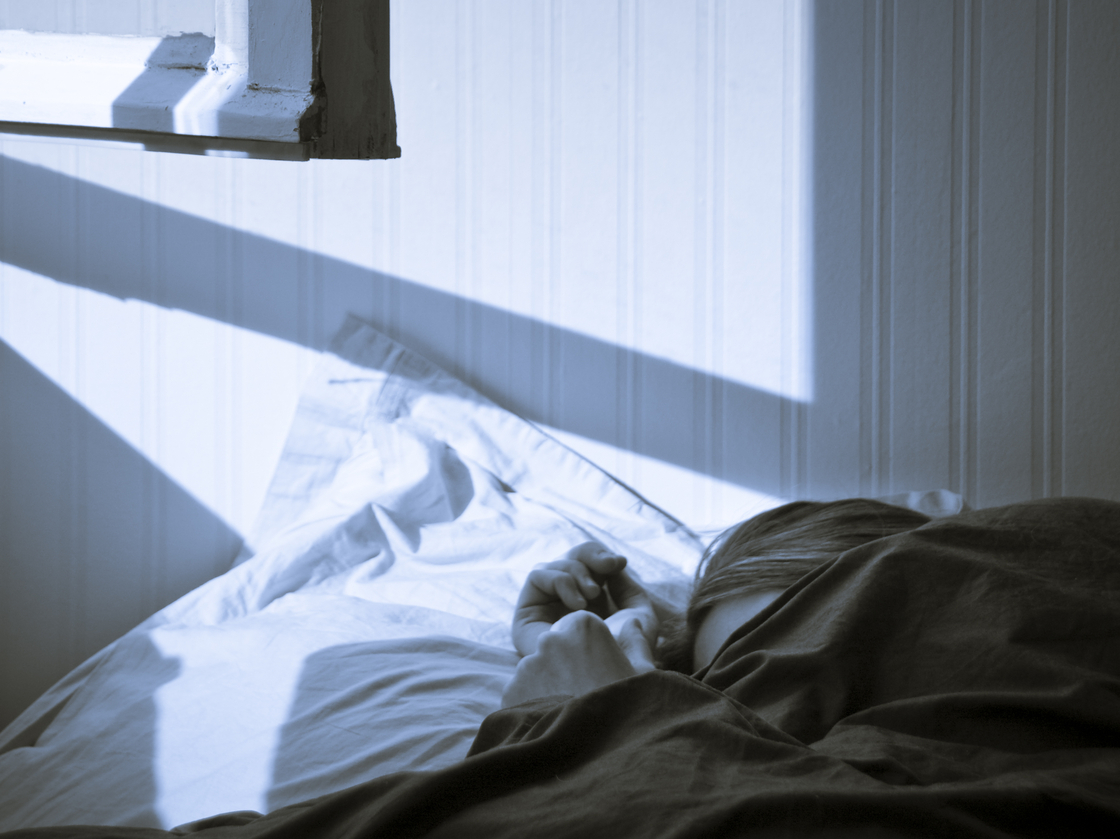
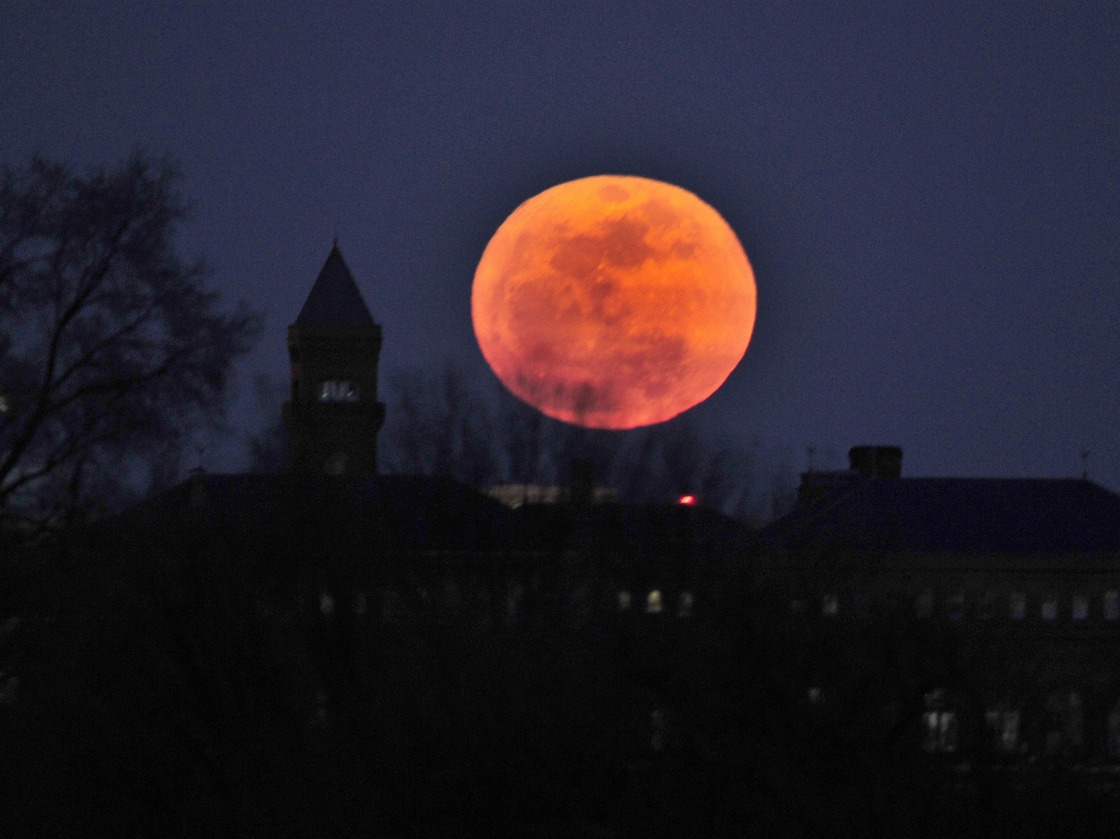
From madness to seizures, to crime and lack of sleep, people have long blamed the full moon for a range of problems. Research, on the other hand, has found little evidence over the years to support these anecdotal accounts of the moon’s powers over the human body and brain.


But scientists in Switzerland decided to look again at one of those putative effects — disturbed sleep — and were surprised to see there might be something to the claim after all.


Scientists have a new hint of evidence that a full moon can disturb sleep. (And not just because it’s romantic.)


Jewel Samad/AFP/Getty Images


Scientists have a new hint of evidence that a full moon can disturb sleep. (And not just because it’s romantic.)


Jewel Samad/AFP/Getty Images


Christian Cajochen, who studies circadian rhythms and sleep at the University of Basel, says many friends who work in big sleep clinics tell him their patients sometimes complain of not being able to sleep during a full moon. Over drinks one day, he and some colleagues realized they already had some data that could put that long-held bit of folklore to a test.


“We were sitting outside a pub, and we were looking at the full moon,” Cajochen remembers, when they hatched their plan. In an unrelated earlier study, the scientists had collected detailed observations on the sleep patterns of some 30 healthy people — young and old, men and women — as they spent three days sleeping in a lab at various times of the month. The sleepers had been in light-controlled rooms, so were shielded during the study from any changes in daylight — or moonlight — outside the lab, and hadn’t been asked anything at all about the moon.


In their current study, published this week in Current Biology, Cajochen and his colleague looked back at that old data set and did some number crunching to compare how the people slept at different stages of the lunar cycle.


“We found that people who entered the lab during a full moon slept, on average, 20 minutes less than people who came in during the new moon phase,” Cajochen says. Deep sleep was also significantly reduced among people who were in the lab during a full moon, versus those at the lab during a new moon. And the sleep-inducing hormone, melatonin also declined during a full moon.


Though the results were statistically significant, Cajochen says they might not hold up in a much larger study. And until and unless he or others can replicate the findings and figure out a proposed mechanism for how the moon might have this effect, Cajochen says he’s “still skeptical.”


So’s Fred Turek, a chronobiologist at Northwestern University. “Extraordinary claims require extraordinary evidence,” Turek says, adding that the new study falls far short of providing that evidence.


“We don’t know whether humans have a clock mechanism that allows us to synchronize our physiology to the lunar cycle,” agrees Frank Scheer, a sleep researcher at Harvard Medical School. On the other hand, Scheer says, we know a lot about human circadian clocks, which program our bodies to the daily rhythms of day and night. We know where that clock is located in the brain and we understand the some of the neural and molecular pathways involved.


And until someone finds a lunar clock in humans, the mystery of the moon’s effect may just be something we have to sleep on.


News


Don"t Blame Your Lousy Night"s Sleep On The Moon — Yet